
COURSE DESCRIPTION
This course explores the Gospels of Matthew, Mark, Luke, and John together with the Acts of the Apostles and the Book of Revelation. Designed to equip students with a variety of exegetical skills, the course resituates these immeasurably influential early Christian narratives in their original historical contexts; analyzes how the narratives resist and/or conform to ancient power structures; and explores the narratives’ transformative potential for contemporary communities of faith.
More specifically, we will be immersing ourselves throughout the semester in some of the most important elements of critical New Testament scholarship. The historical backgrounds and individual theologies of these narratives have been the bread-and-butter issues of New Testament scholarship on them for centuries and will be foundational for our own study of them.
But application will be no less important than foundation for our course. We will be extending traditional historical and theological methods, focused on the ancient world, to address the following challenges in our contemporary world:
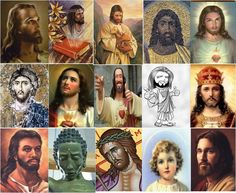
• How to bring the New Testament narratives into dialogue with contemporary racial/ethnic inequalities and injustices, as well as how to come to terms with the roles these narratives have played, and continue to play, in fanning the flames of Christian anti-Judaism and anti-Semitism;
• how to process the steep gender hierarchies evident in the narratives, and how to capitalize on the elements in them that can foster egalitarian gender relations and resist homophobia in contemporary contexts;
• how to interpret the narratives through postcolonial and decolonial lenses, with attention both to the ancient Roman imperial context out of which the narratives emerged and the modern imperial contexts in which they have, and are being, appropriated;
• and how to use relevant elements of the narratives to inspire transformative engagement with our current global ecological crisis.
In summary, throughout our course we will be learning to relate more knowledgably and more confidently to the New Testament narratives’ ancient contexts of production and their contemporary contexts of reception, and thereby harness them for the work we want to accomplish in the church and the larger world.
Learning Outcomes
Upon satisfactory completion of this course, students should be able to:
1. Engage knowledgeably with the New Testament narratives in ways informed by critical biblical scholarship.
2. Produce close exegetical readings of many of the most influential passages in these narratives.
3. Interpret the narratives for contemporary contexts in ways that both respect their ancient specificity and their power to speak transformatively to the present.
4. Relate the narratives to different contemporary cultural contexts and social issues.
Demonstrate a sophisticated understanding of the significance of these foundational texts for contemporary Christian discipleship and/or ministry.
This course explores the Gospels of Matthew, Mark, Luke, and John together with the Acts of the Apostles and the Book of Revelation. Designed to equip students with a variety of exegetical skills, the course resituates these immeasurably influential early Christian narratives in their original historical contexts; analyzes how the narratives resist and/or conform to ancient power structures; and explores the narratives’ transformative potential for contemporary communities of faith.
More specifically, we will be immersing ourselves throughout the semester in some of the most important elements of critical New Testament scholarship. The historical backgrounds and individual theologies of these narratives have been the bread-and-butter issues of New Testament scholarship on them for centuries and will be foundational for our own study of them.
But application will be no less important than foundation for our course. We will be extending traditional historical and theological methods, focused on the ancient world, to address the following challenges in our contemporary world:
• How to bring the New Testament narratives into dialogue with contemporary racial/ethnic inequalities and injustices, as well as how to come to terms with the roles these narratives have played, and continue to play, in fanning the flames of Christian anti-Judaism and anti-Semitism;
• how to process the steep gender hierarchies evident in the narratives, and how to capitalize on the elements in them that can foster egalitarian gender relations and resist homophobia in contemporary contexts;
• how to interpret the narratives through postcolonial and decolonial lenses, with attention both to the ancient Roman imperial context out of which the narratives emerged and the modern imperial contexts in which they have, and are being, appropriated;
• and how to use relevant elements of the narratives to inspire transformative engagement with our current global ecological crisis.
In summary, throughout our course we will be learning to relate more knowledgably and more confidently to the New Testament narratives’ ancient contexts of production and their contemporary contexts of reception, and thereby harness them for the work we want to accomplish in the church and the larger world.
Learning Outcomes
Upon satisfactory completion of this course, students should be able to:
1. Engage knowledgeably with the New Testament narratives in ways informed by critical biblical scholarship.
2. Produce close exegetical readings of many of the most influential passages in these narratives.
3. Interpret the narratives for contemporary contexts in ways that both respect their ancient specificity and their power to speak transformatively to the present.
4. Relate the narratives to different contemporary cultural contexts and social issues.
Demonstrate a sophisticated understanding of the significance of these foundational texts for contemporary Christian discipleship and/or ministry.
- Teacher: Teresa Hornsby